
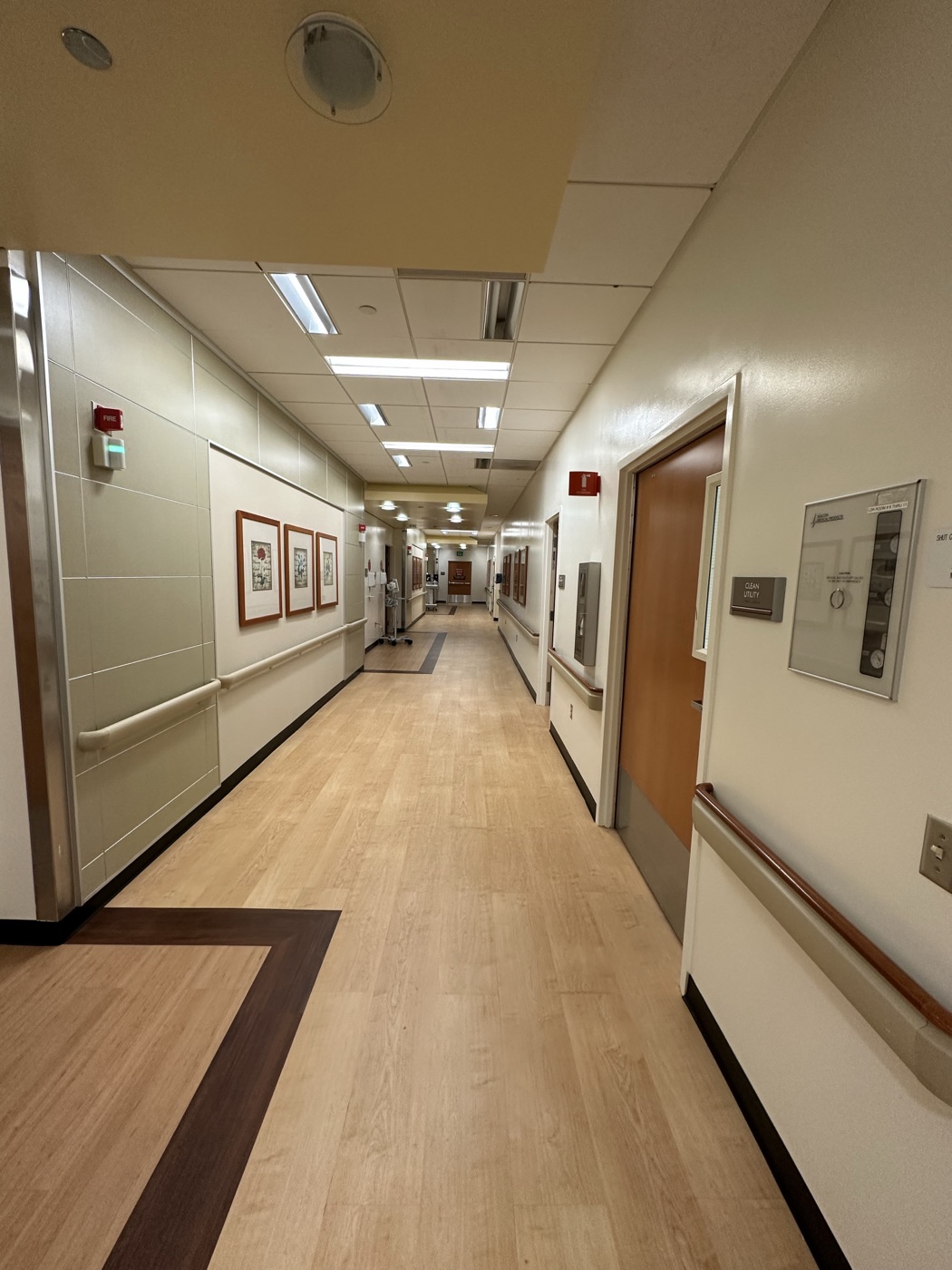
If your facility is planning construction in California, the first acronym on the critical path is HCAI, and if you have been doing this a while, you probably still call it OSHPD. Understanding what the agency reviews, what it does not, and how its permit path actually flows is the difference between a schedule you can defend and one that quietly slips a quarter.
OSHPD became HCAI in 2021
The Office of Statewide Health Planning and Development (OSHPD) was renamed the Department of Health Care Access and Information (HCAI) effective July 1, 2021. The hospital building safety program (plan review, permitting, and construction oversight for health facilities) carried over intact. The people, the process, and most of the paperwork are continuous; only the letterhead changed. The industry still uses the old building categories, so you will hear "OSHPD 1" through "OSHPD 5" on job sites for years to come.
What HCAI has jurisdiction over
HCAI reviews and inspects construction at California's general acute care hospitals, acute psychiatric hospitals, and skilled nursing facilities: the building stock where structural and life-safety failure has the highest human cost. Most medical office buildings and many outpatient clinics permit through the local city or county building department instead, even when the tenant is a health system. Establishing which jurisdiction owns your project is step zero of any healthcare renovation, because the answer drives the review timeline, the inspection model, and the documentation standard.
The permit path, step by step
- Design and submission. Your architect and engineers prepare construction documents and submit them to HCAI for plan review.
- Plan review and back-check. HCAI reviewers issue comments; the design team responds and resubmits. Clean, complete drawings move through in far fewer cycles than optimistic ones.
- Permit issuance. Once approved, HCAI issues the building permit for the defined scope.
- Inspector of Record (IOR). The owner retains an HCAI-certified IOR who provides continuous inspection throughout construction, a stronger oversight model than the periodic city inspections most commercial contractors know.
- Construction with documented field changes. Conditions discovered in the field (and in occupied renovation there are always some) must be captured in amended construction documents and approved, not improvised.
- Close-out. Final inspections, documentation, and sign-off before the space returns to service.
Why hospital projects stall in review
- Drawings that defer real coordination to the field, guaranteeing a stack of amended documents later.
- Phasing plans that ignore how the facility actually operates, forcing re-sequencing after approval.
- Field changes made ahead of their paperwork, which the IOR is obligated to flag.
- Teams that treat the IOR as an adversary rather than a daily working partner.
What this means for budget and schedule
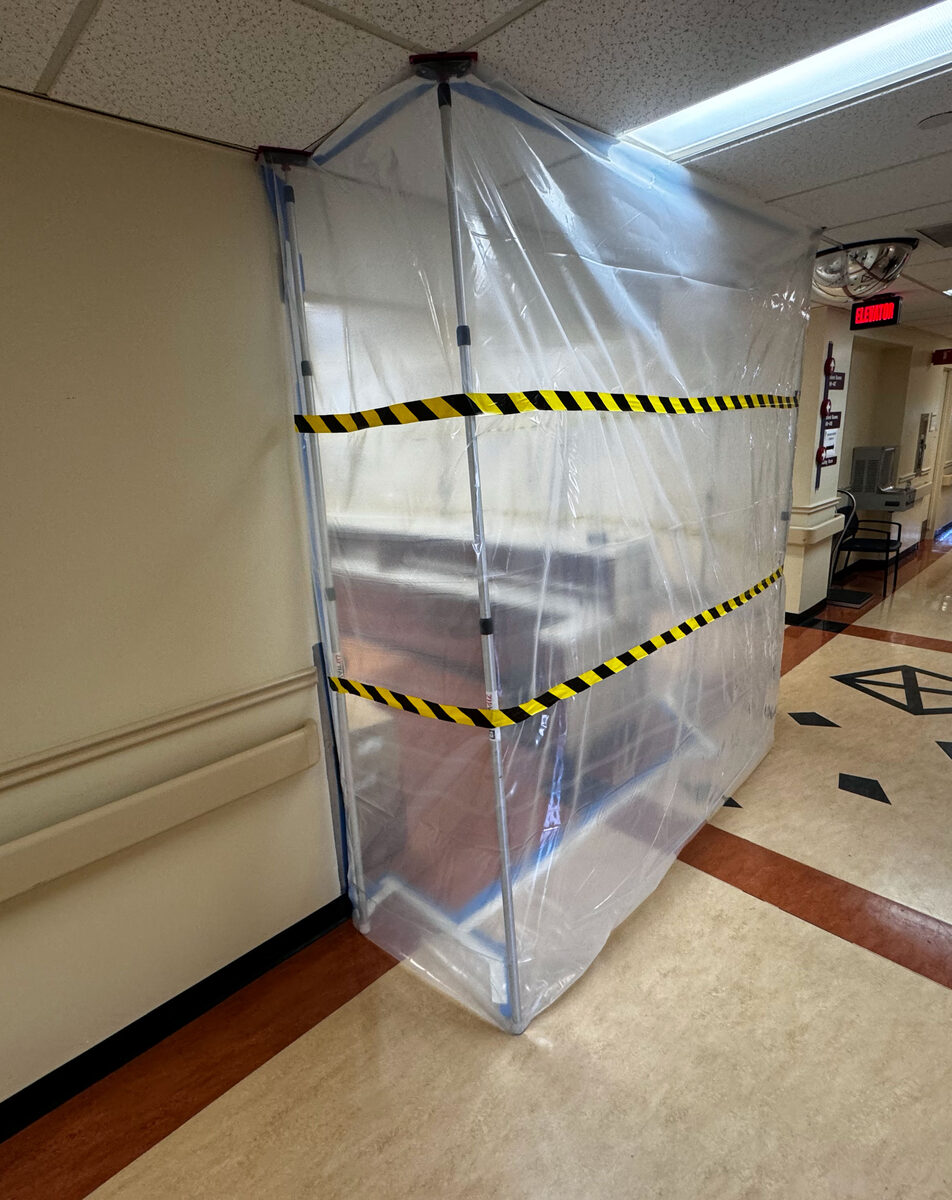
HCAI oversight adds review time, inspection cost, and documentation discipline that simply do not exist in standard commercial tenant improvement work. Budget for it explicitly, and weight contractor experience heavily: a builder who works under HCAI oversight and ICRA containment every week plans those costs from day one instead of discovering them as change orders.
Map your compliance path early
Our Process and Compliance Roadmap tool generates a baseline phasing and HCAI compliance outline from your facility type and scope, a useful first artifact for planning meetings. When you are ready to pressure-test it against real site conditions, talk to our estimating team.